
How Much Money Do You Need to Buy a Home in Las Vegas in 2026?

How Much Money Do You Need to Buy a Home in Las Vegas in 2026?
If you're thinking about buying a home in Las Vegas, one of the first questions you may have is:
“How much money do I actually need to buy a house?”
The answer may be less than you think. One of the biggest misconceptions about buying a home is that you need 20% down. While putting 20% down can have advantages, many Las Vegas buyers purchase homes with significantly less money upfront. Your total cash requirement depends on several factors, including the purchase price, loan type, down payment, closing costs, prepaid expenses, credit profile, and whether you qualify for down payment assistance or receive a seller credit.
As of 2026, the Las Vegas housing market provides buyers with more inventory and negotiating opportunities than the extremely competitive market seen a few years ago. That makes understanding your numbers more important than ever.
Let's break down how much cash you may need to purchase a home in Las Vegas.
How Much Is a Typical Home in Las Vegas in 2026?
Home prices vary significantly depending on where you want to live and what type of property you're looking for. Recent Las Vegas-area market data puts the median price of an existing single-family home in Southern Nevada around $475,000. Condos and townhomes are considerably less expensive, with recent median prices around $300,000. Of course, the median doesn't tell the entire story.
You can find homes below $400,000 in certain areas, while desirable homes in communities such as Summerlin, Henderson, Southwest Las Vegas and other popular areas can easily exceed $600,000.
That's why it's better to think about your purchase in terms of a price range rather than one specific number. For example, let's look at homes priced at:
- $400,000
- $475,000
- $500,000
- $600,000
- $750,000
We'll compare several common financing options.
Do You Really Need 20% Down? No. This is one of the biggest myths I hear from prospective home buyers. Depending on the loan program and your qualifications, you may be able to purchase a Las Vegas home with:
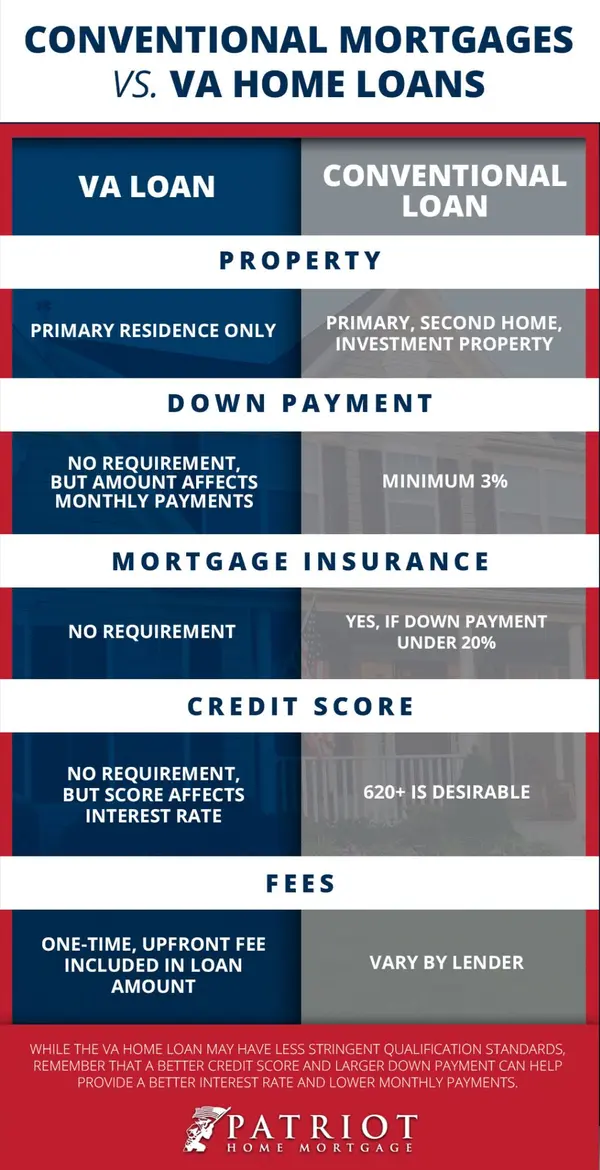
- 0% down with a VA loan
- 3.5% down with an FHA loan
- As little as 3% down with certain conventional loans
- 5%, 10%, or 20% down with conventional financing
The right loan depends on your individual financial situation. For example, a veteran or active-duty service member who qualifies for a VA loan may be able to purchase a home with zero down. An FHA buyer may qualify with a 3.5% down payment. A conventional buyer may qualify with as little as 3% down depending on the program and borrower qualifications. So if you're waiting until you have $100,000 saved before you even start looking, you may be waiting unnecessarily.
Example: Buying a $400,000 Las Vegas Home
Let's start with a $400,000 home.
FHA — 3.5% Down
A 3.5% down payment would be:
$14,000
You would also have closing costs and prepaid expenses.
If you estimated closing costs and prepaid items at approximately 2%–3% of the purchase price, that could add roughly:
$8,000–$12,000
That puts the basic cash requirement somewhere around:
$22,000–$26,000
before considering any applicable credits, assistance programs, earnest money already deposited, or lender-specific requirements.
Conventional — 5% Down
A 5% down payment on $400,000 is:
$20,000
Add approximately $8,000–$12,000 for closing costs and prepaid expenses, and you're looking at approximately:
$28,000–$32,000
before credits or assistance.
VA — 0% Down
For a qualified VA buyer, the down payment can be:
$0
You would still need to account for closing costs, prepaid expenses and other transaction-related expenses. However, eligible veterans may also qualify for an exemption from the VA funding fee under certain circumstances. That can make VA financing particularly attractive for qualified veterans.
Example: Buying a $475,000 Las Vegas Home
Let's use approximately $475,000 because that is close to the current median price range for existing single-family homes in Southern Nevada.
FHA
3.5% down:
$16,625
Estimated closing costs and prepaid expenses at 2%–3%:
$9,500–$14,250
Potential basic cash requirement:
Approximately $26,000–$31,000
Conventional
5% down:
$23,750
Estimated closing costs and prepaid expenses:
$9,500–$14,250
Potential basic cash requirement:
Approximately $33,000–$38,000
VA
Down payment:
$0
You would still need to account for closing costs and prepaid expenses, although seller credits and other negotiated terms may reduce your out-of-pocket expenses.
Example: Buying a $600,000 Las Vegas Home
Now let's move into the higher end of the market.
FHA
3.5% down:
$21,000
Estimated 2%–3% closing costs and prepaid expenses:
$12,000–$18,000
Potential basic cash requirement:
Approximately $33,000–$39,000
Conventional
5% down:
$30,000
Estimated closing costs and prepaid expenses:
$12,000–$18,000
Potential basic cash requirement:
Approximately $42,000–$48,000
20% Down
20% down on $600,000 would be:
$120,000
Then you would still need to account for closing costs and prepaid expenses. Putting 20% down can reduce the loan amount and may eliminate private mortgage insurance on many conventional loans, but it also requires substantially more cash upfront. For some buyers, keeping more money invested or available as an emergency fund may be more important than putting 20% down.
What About a $750,000 Home?
At $750,000, the numbers become significantly larger.
5% Down
$37,500
10% Down
$75,000
20% Down
$150,000
And remember: your down payment isn't your only expense. You may also need money for:
- Closing costs
- Prepaid property taxes
- Homeowners insurance
- Initial escrow deposits
- Home inspection
- Appraisal
- Earnest money
- Moving expenses
- Immediate repairs or improvements
- Emergency reserves
This is why I recommend buyers think about their total cash-to-close and post-closing reserves, rather than focusing only on the down payment.
What Are Closing Costs in Las Vegas?
Closing costs are the expenses associated with completing your home purchase. They can include items such as:
- Loan origination fees
- Lender fees
- Appraisal
- Credit report
- Title services
- Escrow-related costs
- Recording fees
- Prepaid interest
- Homeowners insurance
- Property tax escrows
- Other transaction expenses
A reasonable planning estimate for many buyers is approximately 2%–3% of the purchase price, although your actual costs can be higher or lower depending on the transaction and loan. Your lender will provide a Loan Estimate that gives you a much more precise picture of your expected costs.
Don't Forget About Earnest Money
Another expense buyers need to understand is earnest money. When you make an offer on a Las Vegas home, you may be required to deposit earnest money after the seller accepts the contract. This isn't necessarily an additional expense on top of your purchase. In many transactions, your earnest money is ultimately credited toward your purchase or closing costs. For example, if you put $5,000 into escrow as earnest money, that money generally isn't simply disappearing. It becomes part of the transaction and can be applied according to the terms of your purchase contract. That's why it's important to understand the difference between:
Cash needed during the transaction and Total money required to complete the purchase.
Can the Seller Pay Some of Your Closing Costs?
Sometimes. Seller concessions or credits can potentially be negotiated as part of your purchase agreement, depending on the market, the property, the seller and your loan program. This is particularly important in a market where buyers have more negotiating leverage. For example, instead of negotiating a $5,000 reduction in the purchase price, a buyer and seller might negotiate a credit toward eligible closing costs. The financial impact can be very different depending on your loan and situation.
Your lender and real estate agent can help determine what is allowed and how the credit could be structured.
What About Down Payment Assistance?
Some Nevada buyers may qualify for down payment assistance programs. These programs can potentially help eligible buyers with some of the upfront costs associated with purchasing a home. Eligibility requirements vary and can include factors such as:
- Income
- Credit score
- Purchase price
- Occupancy
- First-time buyer status
- Loan type
- Location
Because programs and requirements can change, buyers should speak with an approved lender about currently available programs rather than assuming they qualify.
Veterans May Have Another Option: VA Loans
If you're a veteran or active-duty service member, you should investigate your VA loan eligibility before assuming you need a large down payment. VA loans can offer qualified borrowers the ability to purchase a home with zero down payment. Another important benefit is that VA loans generally don't require monthly private mortgage insurance. There can still be closing costs associated with a VA purchase, and the VA funding fee may apply unless you're eligible for an exemption. For veterans receiving qualifying VA disability compensation, the funding fee may be waived. This is one reason I encourage veterans considering a Las Vegas home purchase to speak with a lender who understands VA financing.
How Much Should You Have Saved Before Buying?
There's no single number that works for everyone. But I recommend thinking about your finances in three buckets:
- Down Payment
This is the amount you're putting toward the purchase price.
- Closing Costs
These are the costs associated with completing the transaction.
- Emergency Reserves
This is the money you still have after you buy the house. This third category is often overlooked. You don't want to put every dollar you have into your down payment and then have nothing left when your air conditioner breaks, your car needs repairs or an unexpected expense appears. Owning a home comes with ongoing expenses, so maintaining a financial cushion is important.
A Simple Rule of Thumb
Here's a simplified example for planning purposes:
|
Home Price |
FHA 3.5% Down |
Conventional 5% Down |
20% Down |
|
$400,000 |
$14,000 |
$20,000 |
$80,000 |
|
$475,000 |
$16,625 |
$23,750 |
$95,000 |
|
$500,000 |
$17,500 |
$25,000 |
$100,000 |
|
$600,000 |
$21,000 |
$30,000 |
$120,000 |
|
$750,000 |
$26,250 |
$37,500 |
$150,000 |
These figures represent down payment only and do not include closing costs, prepaid expenses, reserves or other transaction expenses. Your actual cash-to-close can vary considerably.
So How Much Money Do You Really Need?
For many Las Vegas buyers, you don't necessarily need $100,000 sitting in the bank to buy a home. A buyer purchasing a home around $400,000–$500,000 may potentially be able to get into a home with substantially less cash than a 20% down payment would require. For example, depending on the loan program and individual circumstances:
A $475,000 home with FHA financing could require a down payment of about $16,625.
A conventional buyer putting 5% down would need:
$23,750.
A qualified VA buyer could potentially put:
$0 down.
But these aren't the final numbers. You need to account for closing costs, prepaid expenses, reserves and the specifics of your loan. That's why getting a personalized estimate from a lender before shopping is so important.
The Las Vegas Market Is Giving Buyers More Options
The Las Vegas market in 2026 isn't the same market buyers experienced during the pandemic. Recent data shows increased inventory, longer marketing times and more price reductions, giving buyers more opportunities to negotiate on certain properties. That doesn't mean every home is a bargain. Well priced homes in desirable neighborhoods can still attract strong interest. But buyers may have more opportunities to negotiate price, repairs, closing-cost credits and other terms than they did during the most competitive years of the market. That makes having your financing prepared especially important. When the right property comes along, you'll know exactly what you can afford and what your cash-to-close looks like.
Ready to Find Out What You Can Afford in Las Vegas?
The most important number isn't necessarily the price of the home. It's the number that works comfortably with your income, monthly payment, available cash and long-term financial goals.
Before you start seriously shopping, talk with a qualified lender and determine:
- Your maximum comfortable purchase price
- Your estimated monthly payment
- Your required down payment
- Your estimated closing costs
- Your cash-to-close
- Your estimated property taxes and insurance
- Your HOA payment, if applicable
- Your required cash reserves
Once you know those numbers, your home search becomes much easier. If you're thinking about buying a home in Las Vegas, Henderson, Summerlin, Centennial Hills, North Las Vegas or another Southern Nevada community, I can help you understand the local market and guide you through the buying process.
Want to know how much home you could potentially afford in Las Vegas? Contact me today and let's talk about your goals, budget and home-buying options.
- This article is for general educational purposes only and should not be considered financial or mortgage advice. Loan requirements, interest rates, closing costs and available assistance programs can change. Buyers should consult a qualified mortgage professional for personalized loan information.
https://www.va.gov
https://housing.nv.gov
https://localvegasproperties.com/
https://www.homeispossiblenv.org/

Categories
Recent Posts




GET MORE INFORMATION